
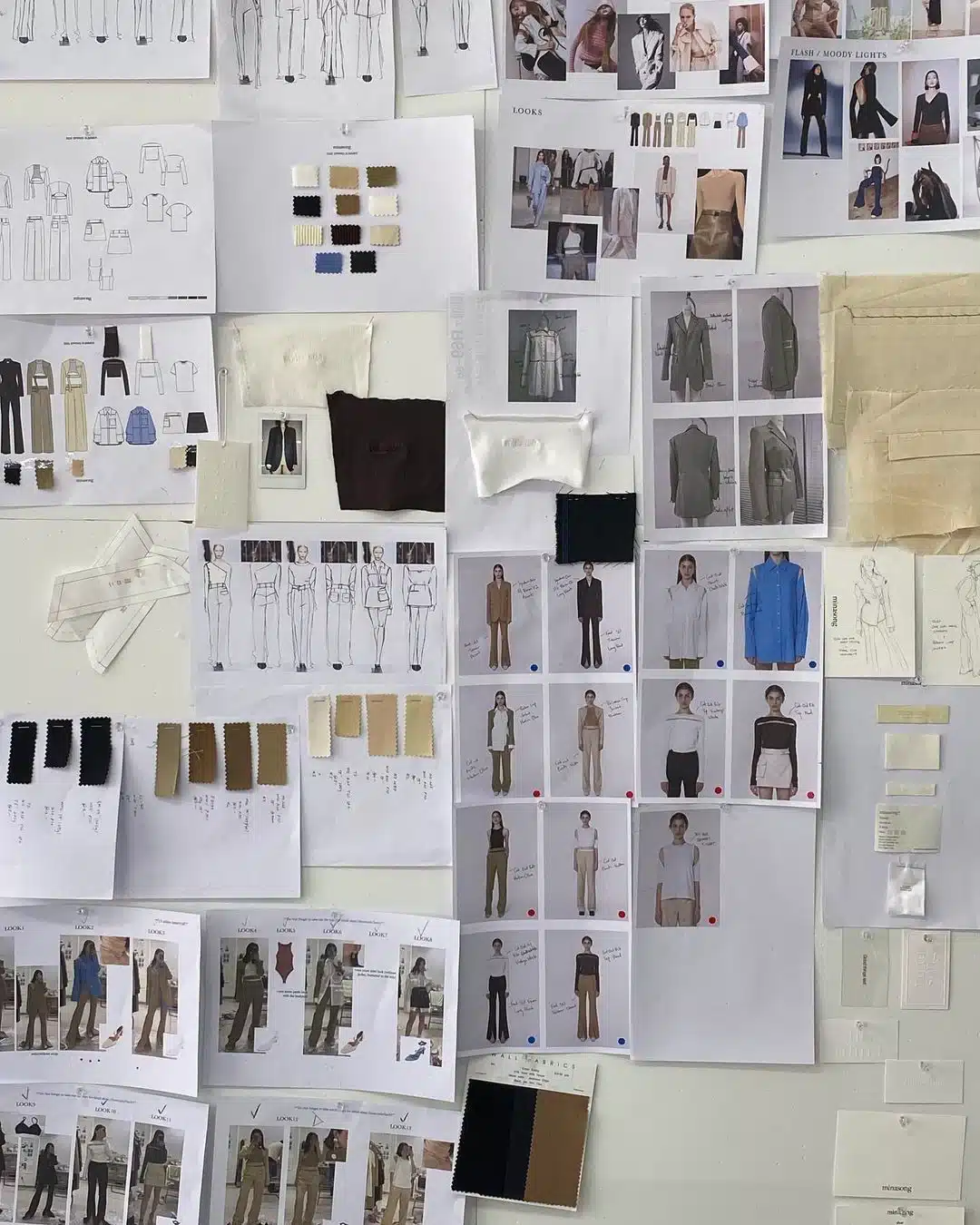
For seasoned fashion professionals, balancing a portfolio, mapping out a season, and hitting target margins is familiar ground. However, in today’s volatile market, gut feeling and historical sales data alone are no longer enough to guarantee high sell-through and protect your brand equity. The most successful brands, from accessible retail to high-end luxury, refine their planning by bridging creative intuition with tech-driven insights to deliver exactly what their customer wants.
In this article, we explore how fashion brands can build high-performing collections by combining predictive insights with strategic merchandising.
Step 1: Replace Historical Assumptions with Predictive Demand
The biggest flaw in a traditional collection plan is building next year’s products based solely on last year’s sales. While historical data tells you what worked, it cannot predict future demand.
The structural challenge is real: when you’re preparing collection N+1, collection N is barely on the shop floor, meaning sellthrough data is almost nonexistent at planning time (typically 12–14 months ahead of market).
- The Methodology Upgrade: Shift from reactive analysis to predictive forecasting. Instead of guessing if a specific color or silhouette will perform well, quantify its adoption rate. This is especially critical for the Core, where carry-over and volume decisions must be locked in earliest. Leading merchandisers are already working with trend agencies to anticipate which colors and attributes will perform, a signal that external predictive intelligence is now a necessary complement to internal data.
- The Heuritech Edge: This is where Heuritech’s AI-powered insights platform becomes indispensable. By analyzing millions of social media images, our technology detects over 2,000 fashion attributes. We empower brands to quantify the future adoption of prints, colors, fabrics, and granular shapes. This allows you to build your foundational plan on unbiased, predictive data rather than intuition alone, ensuring a balanced assortment tailored to specific regional markets.

Step 2: Architecture of the Range Plan & Merchandising – the pyramid Model
Once you have a clear vision of future demand, you must structure your merchandising architecture. In practice, this takes the shape of a pyramid: the base and middle (the Core) carry volume and revenue stability; the top (collections) drives brand heat and newness. Define the Category Mix. Establish the Pricing Strategy using a “Good, Better, Best” model. You must ensure a seamless pricing ladder that protects margins while offering entry-level items and premium statement garments.
The Missing Tool: One of the most consequential yet least-supported decisions today is the carry-over vs. novelty ratio. Although relevant data exists (sell-through, contribution, and markdown performance) it is rarely synthesized in time to guide planning. A unified decision-support tool combining historical sell-through, best/slow-seller diagnostics, and markdown behavior would directly address this gap.
Step 3: Elevating Concept, Color, and Fabric Selection
With the numerical framework locked, the creative process takes over. The theme and concept of the collection must now be translated into tangible designs.
- Material Sourcing: The choice of materials and fabric can make or break a garment. Are consumers shifting towards heavy structured wools or lightweight technical blends? Aligning your fabrics with forecasted consumer behavior is crucial.
- Color Palette Optimization: Don’t just pick colors, instead validate them. Use predictive data to decide which shades belong on your high-volume basics and which should be reserved for niche, trend-forward pieces.
- Granular Details: It is often the details of a specific collar shape, a pocket placement, or a macro print that trigger a purchase. Heuritech’s visual recognition allows designers to see exactly which granular attributes are gaining traction among their specific target audience.
- CSR Compliance: Sustainability requirements must be factored in from the start, not retrofitted at the end, shaping both what gets made and how it gets made.
Step 4: Tracking Performance (From Sell-In to Sell-Out)
The most brilliant concept will fail if execution falls short. The final bridge between creative and production is the tech pack.
- Precision is Key: A comprehensive pack leaves no room for interpretation. It must include exact measurements, grading rules, BOM (Bill of Materials), and construction notes.
- Focus on Fit: Fit is the ultimate driver of customer retention and the primary reason for returns. Invest time in multiple fitting sessions across different categories.
- Timeline Management: Aligning your production schedule with your retailers’ delivery windows is non-negotiable. Anticipate lead times for custom fabrics and complex designs to avoid costly delays.

- Feedback Loop: Merchandising teams track sell-out (daily sales by store and cluster) and sell-in data (internal and wholesale order data), but consolidation still relies on manual Excel work, often sitting with just one or two people. Centralising this data would save time and sharpen future collection planning.
Design with Confidence, Operate with data
Building a successful fashion collection in 2026 is no longer about choosing between creativity and analytics; it is about blending them. By integrating AI-driven trend forecasting into your merchandising and planning methodology, you empower your creative teams to create with precision. You stop guessing what your customer might buy, and you start developing collections backed by data, leading to reduced overstock, optimized assortments, and higher profitability.
Yet the most pressing challenge is not a lack of data: it is the fragmentation of data across systems, and the manual effort required to synthesise it into decisions. The next competitive frontier is a unified planning layer that connects sell-out performance, trend forecasting, and range architecture.
Ready to quantify what people will wear next season? Book a demo with Heuritech today.